
Benzoindole derivatives may be evaluated as building blocks for cyanine dyes and near-infrared optical materials. For purchasing teams, the important distinction is between a starting intermediate and a finished dye: the intermediate alone does not establish the absorption wavelength, fluorescence response, or stability of the final material. A useful sourcing decision connects chemical identity, impurity control, and sample evaluation with the intended synthesis route. This overview outlines what buyers should discuss with their chemists before comparing quotations or moving from a laboratory sample to a larger order.
Benzoindole Derivatives: Identify the Exact Building Block
The term benzoindole describes a family of fused ring structures, rather than a single interchangeable raw material. Ring fusion, substitution pattern, and chemical form matter. A benzo[e]indole derivative should not be substituted for a benzo[cd]indole derivative simply because both appear in literature on optical materials. Buyers should provide a structure drawing alongside the chemical name so that the supplier and laboratory are discussing the same compound.
One relevant intermediate is 1,1,2-trimethyl-1H-benzo[e]indole, CAS 41532-84-7. Its identity can be cross-checked against the linked PubChem record. It can be considered when a proposed dye route calls for this specific benzoindole precursor. The name and CAS number help establish identity, but neither replaces analytical confirmation of a delivered batch.
Keep the neutral precursor separate from any quaternized derivative in purchasing documents. Once the nitrogen substituent or counterion changes, the material being ordered is different. A request that lists only “benzoindole dye intermediate” leaves too much room for misunderstanding. Include the required form, analytical expectations, and intended evaluation scale in the inquiry.
Connecting the Intermediate to Cyanine Dye Design
Cyanine structures commonly contain heterocyclic end groups connected through a conjugated polymethine system. Benzoindole-derived end groups may be evaluated as part of that design. The final optical response depends on the whole molecular structure and its environment, so a precursor specification cannot serve as a finished dye performance specification.
In a suitable synthesis route, the selected precursor may undergo nitrogen substitution before construction of the dye framework. Route selection belongs with the development chemist: the intended terminal groups, chain structure, and functional handles determine which intermediate is appropriate. Procurement should work from the approved structure rather than trying to infer suitability from a broad product family description.
Solubility deserves separate attention. A dye that behaves acceptably in an analytical solvent may behave differently in a coating mixture or polymer host. Concentration and aggregation can also complicate comparisons between samples. For a more focused discussion of the listed precursor, consult our trimethyl benzoindole guide for cyanine dyes. Use that background to frame questions, then validate the actual dye and formulation under the intended conditions.
Quality Information That Makes Quotations Comparable
A single purity percentage is an incomplete purchasing specification. Ask how purity is measured, what the result represents, and whether the method can distinguish relevant related substances. Chromatographic area percentage and mass-based assay are different measurements; treating them as equivalent can hide a meaningful difference between offers. Request the method basis and an example certificate of analysis before setting acceptance criteria.
Identity testing should support the agreed structure. Where appropriate, the technical review can include spectroscopic data and a chromatographic profile. Water, residual solvents, and other process-related impurities should be considered according to the downstream reaction and isolation requirements. Set limits from development evidence rather than copying values from an unrelated dye intermediate.
Appearance can help document consistency, but color alone is not a reliable purity test. Record the observed appearance using comparable conditions, and investigate changes alongside analytical results. A sample that looks different may require review, while a visually similar sample can still have a different impurity profile.
Include traceability in the comparison. The sample batch number, production batch identification, test date, packaging description, and agreed retest or storage information should be clear. These records help the buyer connect a laboratory result to a subsequent shipment. Benzoindole sourcing can be reviewed within our selected synthesis intermediates range, with specifications confirmed for the actual product requested.
Evaluate Samples Through the Intended Process
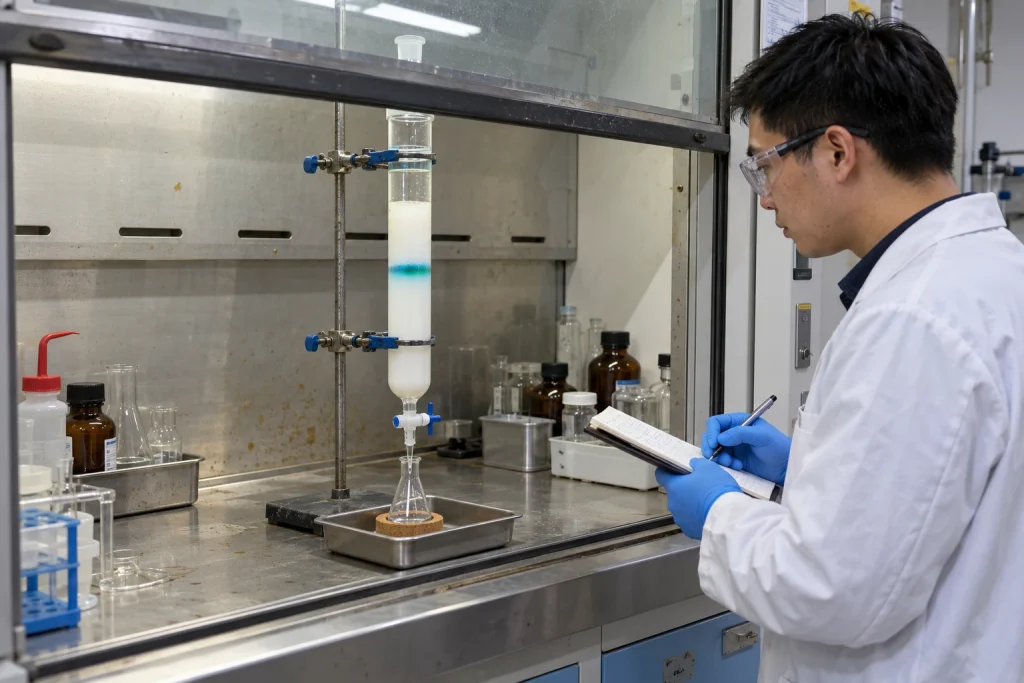
Begin with a written evaluation plan. Confirm incoming identity, then compare the sample in the same established synthesis and purification sequence used for the reference material. Record practical observations such as dissolution behavior, reaction monitoring, and isolation difficulty. Changing several process variables at once makes it harder to identify whether the raw material affected the outcome.
Assess the resulting dye independently. Absorption measurements should state solvent, concentration, and measurement conditions; fluorescence or stability comparisons need similarly defined procedures. When the intended application involves a film or formulated mixture, evaluate that system as well. A result in dilute solution should not automatically be treated as evidence of performance in the finished material.
For overseas orders, discuss the packaging configuration and transport conditions with the supplier before shipment. Use the applicable safety data sheet and confirmed product information to establish handling requirements. Retain a reference sample and the associated documents so that later batches can be compared on the same basis.
Why AXIA CHEM
AXIA CHEM provides a point of contact for discussing intermediate selection, quality documentation, sample requirements, and supply planning. Share the exact structure, target specification, destination, and purchasing timeline so the inquiry can receive a focused response. Confirm current availability, document scope, packaging, and lead time in writing before placing an order. This approach keeps commercial discussions tied to the material your laboratory has evaluated.
Contact AXIA CHEM about benzoindole intermediate sourcing to discuss your requirements and the information needed for technical review.
Regulatory disclaimer: These products are supplied for research, formulation development, industrial and non-regulated applications. Final suitability for pharmaceutical, oral care, cosmetic, food-contact or biocidal applications shall be verified by the buyer according to local regulations. AXIA CHEM does not claim that any product is FDA approved, USP/EP certified, GMP grade or approved for any specific regulated end use unless otherwise confirmed in writing with supporting documentation.